
Nov 09 2026 14:00
Traumatic Brain Injury: Know the Signs and Your Rights
A traumatic brain injury can be difficult to recognize in the moments after an accident. Someone may have no obvious external injuries while still experiencing changes that affect how they feel, think, or function. In some cases, symptoms begin right away; in others, they become noticeable only in the days that follow.
Understanding the warning signs of a traumatic brain injury is important for obtaining appropriate medical care. It can also be important when another person’s negligence caused the accident. Knowing what a TBI involves, what symptoms may appear, and which legal options could be available can help injured people and their families make informed choices about the next steps.
What Is a Traumatic Brain Injury?
A traumatic brain injury, often called a TBI, occurs when the brain’s normal function is disrupted by a blow, jolt, or penetrating injury. These injuries may result from motor vehicle collisions, falls, workplace accidents, assaults, and other serious incidents. Their effects can range from comparatively mild concerns to substantial, life-changing limitations.
TBIs are sometimes referred to as “invisible injuries” because they may not be apparent to others. Unlike a broken bone or visible wound, a brain injury may not have immediate outward signs. Symptoms can also be delayed and may not always be detected through a standard CT scan or MRI.
For that reason, it is important to monitor changes after an accident. A person who initially seems unharmed may later experience physical symptoms, difficulties with thinking, or emotional changes that could be connected to a brain injury.
Common Symptoms of a Traumatic Brain Injury
A traumatic brain injury can affect many parts of daily life. Certain symptoms are physical and easier to identify, while others appear as less obvious changes in memory, concentration, mood, behavior, or communication.
Physical symptoms can include headaches, dizziness, fatigue, blurred vision, and increased sensitivity to light or sound. These concerns may occur immediately after the injury, but they can also develop gradually over the following days.
Cognitive symptoms may include confusion, memory difficulties, trouble focusing, and slower thinking or speech. Because these changes can be subtle at first, the injured person and their family may not immediately realize that they are related to the accident.
Emotional symptoms can also be associated with a TBI. A person may become more irritable or anxious, experience mood changes, or feel overwhelmed more easily than usual. These reactions may be mistaken for an unrelated emotional response when they are actually part of the injury’s effects.
If you suspect that you or someone close to you sustained a traumatic brain injury, seek medical attention promptly. Medical care can help address the injury and create documentation showing when symptoms began and how they changed over time.
Legal Rights Following a TBI Accident
When another party’s negligence causes a traumatic brain injury, the injured person may have legal rights to consider. This may involve a collision caused by another driver, a fall resulting from unsafe property conditions, or another event in which someone else may have been responsible.
A personal injury claim against the at-fault party may be one option. The available legal path depends on how the injury occurred. An accident involving defective equipment or another unsafe product, for example, may raise a product liability claim. A TBI sustained at work may involve a workers’ compensation claim.
In the most devastating situations, a brain injury may lead to a wrongful death claim. Because every situation is different, it is important to understand the circumstances that caused the TBI before evaluating potential legal options.
At Gehrke, Baker, Doull & Kelly Attorneys at Law, our team helps people in Des Moines, Washington, and throughout the Pacific Northwest understand the legal representation that may be available after a serious accident. A Washington personal injury lawyer can review the facts of an injury and help clarify the next steps.
What Compensation for a Brain Injury May Include
The consequences of a traumatic brain injury often go beyond the first medical appointment. Some people need continuing neurological treatment or rehabilitation. Others experience changes that interfere with work, independence, and ordinary daily responsibilities.
Depending on the details of an injury claim, compensation may include present and future medical costs, including the expense of ongoing neurological care. Rehabilitation may also be considered, such as physical therapy, occupational therapy, or cognitive therapy.
Lost income and reduced future earning capacity can be significant concerns when a brain injury prevents a person from returning to work or limits the work they can perform. Compensation may also account for pain and suffering, including the emotional effects of the injury and lasting physical or cognitive changes.
Because the full impact of a TBI may take time to become clear, keeping records of symptoms as they develop can be important. Medical providers can help establish the nature and extent of the injury, as well as the ways it may affect a person’s future needs.
Why the Filing Deadline Is Important
Anyone considering a claim after a traumatic brain injury should understand that legal action must be taken within a limited period. A statute of limitations is the deadline for filing a personal injury claim.
The deadline can vary based on the state where the injury occurred and the type of claim involved. Waiting too long may limit or eliminate the ability to pursue available options, making it important to understand the relevant time frame as early as possible.
Brain injury cases can require careful evaluation because symptoms may continue to emerge and the long-term consequences may not be immediately known. Speaking with a personal injury attorney early in the process can help an injured person understand applicable deadlines, potential options, and the steps involved in pursuing a claim.
Guidance After a Traumatic Brain Injury
The period following a brain injury can bring medical concerns, changes to daily life, and difficult questions about responsibility. Recognizing possible TBI symptoms and obtaining timely medical care are important first steps, particularly when symptoms are delayed or hard to identify.
When negligence may have caused the injury, understanding your legal rights can help you decide how to move forward. Gehrke, Baker, Doull & Kelly Attorneys at Law provides client-focused legal services to individuals navigating injury claims in Des Moines and across the Pacific Northwest.
If you or a loved one is coping with a traumatic brain injury and has questions about a personal injury claim, potential compensation, or the statute of limitations, contact GBDK Law. Our Washington law firm can discuss your circumstances, maintain clear client communication, and help you understand the legal options that may be available.

Traumatic Brain Injury: Know the Signs and Your Rights

What to Do After a Personal Injury

Are Personal Injury Settlements Taxable?

Rights of Juvenile Defendants

Personal Injury Case Basics

Why Consistent Medical Treatment Matters After an Injury

Essential Summer Pool Safety And Liability Guidelines

Life After an Arrest or Conviction: What Comes Next
Read more
When a Fall Becomes a Property Owner’s Responsibility

Motorcycle Safety Awareness Month: A Shared Commitment to Safety
Read more
Washington Vacatur Law Update (2026): How State v. Abrams Changes the Rules for Clearing Convictions

Can You Kill a Dog to Protect Livestock? A New Washington Case Clarifies the Boundaries

Protecting Your Privacy During a Lawsuit

Spring Break Safety Tips: Simple Ways to Protect Yourself While Traveling

What to Do After an Accident Involving an Uninsured Driver

Winter Driving Dangers: Essential Safety and Legal Insights for Drivers and Pedestrians

Hit While “Jaywalking”? Washington Courts Say You May Still Have a Case

How a Rental Dispute Became a Felony Case
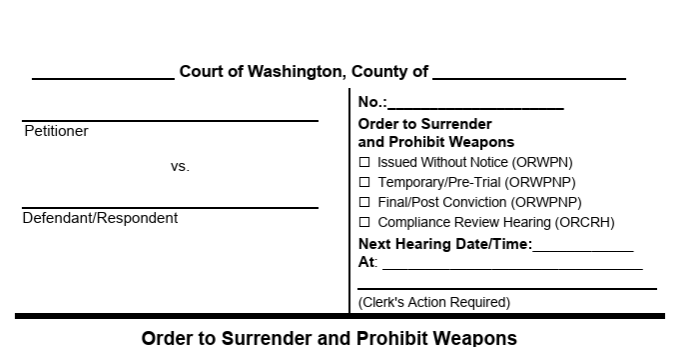
Understanding Washington's Weapon Surrender Orders: Not a Fourth Amendment Search

Hurt at a Phish Concert? What Washington's New Case Means for You

Can Texts Be Used Against You in Court?

Washington Supreme Court Expands Filing Options for Firearm Rights Restoration
Read more
The Growing Role of AI in Denied Insurance Claims

Understanding Civil vs. Criminal Case Terminology

Celebrate Independence Day Safely: Essential Tips

Preventing Slip and Fall Injuries at Pools: Key Safety Tips

Understanding Slip-and-Fall Cases: Key Insights

Understanding Personal Injury Damages

The Importance of Early Legal Representation in Criminal Cases

Navigating the General Stages of Criminal Litigation
Read more
Understanding Workplace Harassment Laws & Compliance
