
Apr 02 2026 15:00
Protecting Your Privacy During a Lawsuit
Concerns about personal privacy often arise the moment someone becomes involved in a lawsuit. Many people worry that sensitive details about their health, finances, or private conversations might become public. While legal disputes do require the sharing of certain information, there are important safeguards that limit what must be disclosed and how it can be used.
Understanding these protections can make the litigation process feel more predictable and less overwhelming. With knowledge and preparation, you can participate in a lawsuit without feeling like your private life is fully exposed.
Why Personal Records Become Part of Litigation
Most civil cases include a stage known as discovery. This is the period when both sides exchange information relevant to the claims and defenses. The goal is to ensure fairness, avoid surprises, and give each party access to the facts needed to evaluate the case.
Even though discovery can feel intrusive, it is not unlimited. Requests are required to focus on materials connected to the issues in dispute. That means the other side cannot seek documents or details simply out of curiosity—there must be a direct tie to the legal conflict.
The Role of Relevance in What Must Be Disclosed
Court rules generally require that information exchanged in discovery be relevant to the case. While this guideline seems simple, relevance is often interpreted broadly. Requests may reach into areas like medical records, employment history, or financial documents if one side believes those details relate to the lawsuit.
This is why knowing your rights matters. You are not required to turn over every personal document just because it is requested. When information has little or no true connection to the case, there may be grounds to challenge whether it must be produced at all.
Litigation Does Not Eliminate Your Privacy
Many people mistakenly assume that filing or defending a lawsuit destroys all privacy protections. In reality, courts regularly balance the usefulness of requested information against the burden and intrusiveness of sharing it. Judges are cautious about allowing discovery to become a tool for unnecessary personal probing.
If a request goes too far, you can raise objections. Courts often narrow what must be provided, ensuring the exchange stays focused on information genuinely needed for the case.
How Protective Orders Limit Use of Sensitive Details
Protective orders are one of the strongest tools for safeguarding personal data during litigation. These court orders set rules for how sensitive information must be handled once it is disclosed.
For example, a protective order may restrict access to certain records, allowing only the attorneys involved to review them. It may also bar the information from being filed publicly or used outside the lawsuit. These safeguards reduce the risk that private details will circulate beyond what is necessary.
Reducing Exposure When Highly Personal Records Are Needed
Protective orders are especially valuable when sensitive documents—such as medical records or financial statements—play a role in the case. Courts understand that while some disclosure is necessary, public access is not.
By placing limits on how sensitive information is shared, used, and stored, protective orders help maintain privacy and dignity throughout the litigation process.
Challenging Discovery Requests That Go Too Far
Not every discovery request is reasonable as written. Some may ask for more information than the case truly requires or demand records from an unnecessarily long period of time. Others may feel overly intrusive.
In these situations, you can raise objections and work to narrow the scope through negotiation. If the parties cannot agree, a judge can intervene and determine what is appropriate. Courts frequently limit requests that are overly broad or place an unfair burden on the responding party.
How to Protect Privacy Even When Disclosure Is Required
Sometimes personal records must be produced, but that does not mean everything must be shared without boundaries. There are several ways to meet legal obligations while still protecting sensitive details.
- Records can be redacted to remove unrelated or highly private information.
- Documents can be labeled confidential, limiting who may access them.
- Information can be produced in stages so only necessary materials are reviewed at each step.
These approaches ensure that the litigation moves forward without unnecessary exposure of personal details.
Digital Information as Part of Discovery
Electronic communication is another area where surprises often occur. Text messages, emails, and social media activity are frequently requested in modern lawsuits. Even casual or informal digital messages can become relevant if they relate to the dispute.
Be aware that once litigation is anticipated, you must not delete or alter electronic records. Doing so can damage credibility and violate preservation rules. At the same time, it is wise to avoid posting about anything related to the case and seek guidance before responding to digital discovery requests.
Online Activity and Social Media Considerations
Although social media may feel private, it is not shielded from legal scrutiny. Posts and messages can easily be taken out of context, potentially creating complications during litigation.
Being cautious with online communication during a lawsuit helps reduce the risk of misunderstandings and keeps the focus on the actual legal issues.
How Federal Agencies Handle Personal Records
Some lawsuits involve records held by federal agencies, such as government employment files or federal medical records. These materials are protected by federal laws like the Privacy Act.
Under these rules, federal agencies generally cannot release personal information without proper legal authorization. Even a subpoena may not be enough. Agencies must confirm that a valid exception applies before disclosing records, adding another layer of privacy protection.
Understanding the Difference Between Privacy Laws and Public Records
Federal privacy laws differ from public records laws. The Freedom of Information Act allows access to certain government-held records, but it contains exemptions specifically designed to protect personal privacy.
For private individuals, these exemptions usually prevent the release of personal information unless there is a strong public interest that outweighs privacy concerns.
The Importance of Being Prepared
Lawsuits can be stressful, especially when personal information is involved. Fortunately, privacy protections exist—though they are not automatic. Asking questions, understanding your rights, and approaching discovery carefully can greatly reduce unwanted exposure.
With a solid understanding of how relevance, protective orders, and privacy laws work together, you can feel more prepared and in control throughout the process.
Moving Forward With Confidence
If you are involved in a lawsuit or considering one, it is natural to have questions about how your personal information will be treated. Taking the time to understand your options now can help you avoid surprises later.
If you want clarity on what to expect and how to safeguard your privacy during litigation, consider speaking with an attorney who can guide you through the process and help you make informed decisions.

What to Do After a Personal Injury

Are Personal Injury Settlements Taxable?

Rights of Juvenile Defendants

Personal Injury Case Basics

Why Consistent Medical Treatment Matters After an Injury

Essential Summer Pool Safety And Liability Guidelines

Life After an Arrest or Conviction: What Comes Next
Read more
When a Fall Becomes a Property Owner’s Responsibility

Motorcycle Safety Awareness Month: A Shared Commitment to Safety
Read more
Washington Vacatur Law Update (2026): How State v. Abrams Changes the Rules for Clearing Convictions

Can You Kill a Dog to Protect Livestock? A New Washington Case Clarifies the Boundaries

Protecting Your Privacy During a Lawsuit

Spring Break Safety Tips: Simple Ways to Protect Yourself While Traveling

What to Do After an Accident Involving an Uninsured Driver

Winter Driving Dangers: Essential Safety and Legal Insights for Drivers and Pedestrians

Hit While “Jaywalking”? Washington Courts Say You May Still Have a Case

How a Rental Dispute Became a Felony Case
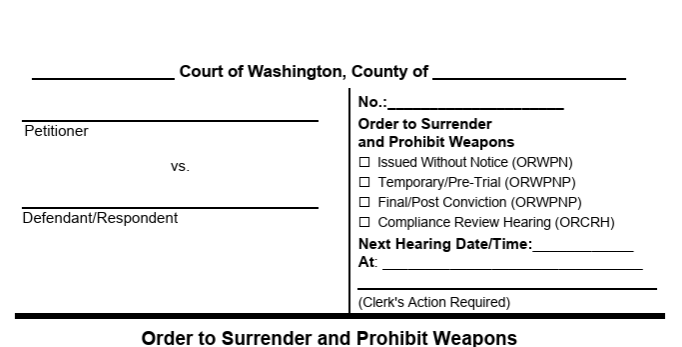
Understanding Washington's Weapon Surrender Orders: Not a Fourth Amendment Search

Hurt at a Phish Concert? What Washington's New Case Means for You

Can Texts Be Used Against You in Court?

Washington Supreme Court Expands Filing Options for Firearm Rights Restoration
Read more
The Growing Role of AI in Denied Insurance Claims

Understanding Civil vs. Criminal Case Terminology

Celebrate Independence Day Safely: Essential Tips

Preventing Slip and Fall Injuries at Pools: Key Safety Tips

Understanding Slip-and-Fall Cases: Key Insights

Understanding Personal Injury Damages

The Importance of Early Legal Representation in Criminal Cases

Navigating the General Stages of Criminal Litigation
Read more
Understanding Workplace Harassment Laws & Compliance
