
Jul 31 2026 13:00
Why Consistent Medical Treatment Matters After an Injury
Quick Summary:
Getting medical care quickly and following through with treatment protects your health and creates a clear record of your injuries. Consistent care helps connect your symptoms to the accident, supports accurate timelines, and provides the documentation insurers rely on. If you were hurt, timely treatment can make a meaningful difference in how your claim is reviewed and valued.
Your Health Comes First
After an accident, some injuries are obvious, but others can take hours or days to appear. Early evaluation helps identify hidden issues like concussions, soft tissue injuries, or internal damage. Prompt care also reduces the risk of complications and can speed recovery. Following your provider’s recommendations—such as imaging, physical therapy, or specialist visits—supports healing and helps you return to normal activities more safely.
Clear and Reliable Documentation
Medical records are the backbone of a personal injury claim. When you seek care soon after an accident, your records document when symptoms began, how the injury occurred, and what treatment was provided. Consistent follow-up visits create a detailed paper trail that shows how your condition evolved. Gaps in care can make it harder to understand what happened and may raise questions about the severity or cause of your injuries.
Establishing an Accurate Injury Timeline
Timing matters. A clear timeline—from the date of the accident to your first appointment and subsequent visits—helps show a logical connection between the incident and your injuries. When treatment is delayed or inconsistent, it can be more difficult to link new or worsening symptoms back to the original event. Staying on a regular treatment schedule helps keep that timeline intact.
How Insurance Companies Review Claims
Insurers often look closely at when you sought care and whether you followed medical advice. Early evaluation and steady treatment tend to provide a more complete picture of your condition. Long gaps between visits, missed appointments, or stopping treatment prematurely may lead insurers to question the cause or extent of your injuries. While every case is different, thorough records generally make the review process more straightforward.
Impact on Damages
Damages in a personal injury claim can include medical expenses, lost income, and the impact of pain and limitations on daily life. Consistent treatment helps document these losses over time. For example, therapy notes can show functional limitations, and follow-up visits can reflect ongoing symptoms. This information helps present a more accurate view of how the injury has affected you.
Practical Tips After an Accident
- Seek medical attention as soon as possible, even if symptoms seem minor.
- Follow your provider’s recommendations and attend scheduled appointments.
- Keep copies of visit summaries, prescriptions, and bills.
- Track symptoms, missed work, and how the injury affects daily activities.
- Ask questions if you are unsure about your treatment plan.
Navigating medical care and a potential claim at the same time can feel overwhelming. Gehrke, Baker, Doull & Kelly Attorneys at Law can help you understand how treatment and documentation fit into the claims process. If you have questions after an accident, reach out for guidance on your next steps.

Personal Injury Case Basics

Why Consistent Medical Treatment Matters After an Injury

Essential Summer Pool Safety And Liability Guidelines

Life After an Arrest or Conviction: What Comes Next
Read more
When a Fall Becomes a Property Owner’s Responsibility

Motorcycle Safety Awareness Month: A Shared Commitment to Safety
Read more
Washington Vacatur Law Update (2026): How State v. Abrams Changes the Rules for Clearing Convictions

Can You Kill a Dog to Protect Livestock? A New Washington Case Clarifies the Boundaries

Protecting Your Privacy During a Lawsuit

Spring Break Safety Tips: Simple Ways to Protect Yourself While Traveling

What to Do After an Accident Involving an Uninsured Driver

Winter Driving Dangers: Essential Safety and Legal Insights for Drivers and Pedestrians

Hit While “Jaywalking”? Washington Courts Say You May Still Have a Case

How a Rental Dispute Became a Felony Case
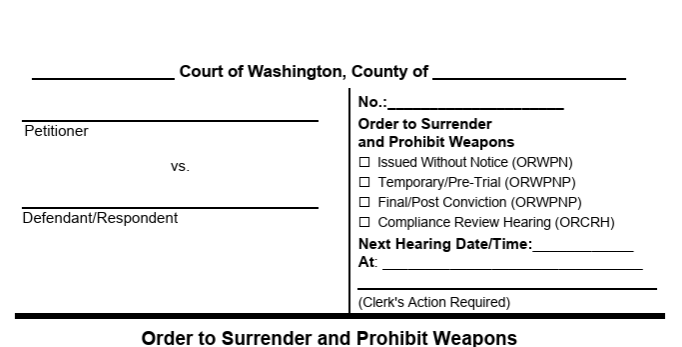
Understanding Washington's Weapon Surrender Orders: Not a Fourth Amendment Search

Hurt at a Phish Concert? What Washington's New Case Means for You

Can Texts Be Used Against You in Court?

Washington Supreme Court Expands Filing Options for Firearm Rights Restoration
Read more
The Growing Role of AI in Denied Insurance Claims

Understanding Civil vs. Criminal Case Terminology

Celebrate Independence Day Safely: Essential Tips

Preventing Slip and Fall Injuries at Pools: Key Safety Tips

Understanding Slip-and-Fall Cases: Key Insights

Understanding Personal Injury Damages

The Importance of Early Legal Representation in Criminal Cases

Navigating the General Stages of Criminal Litigation
Read more
Understanding Workplace Harassment Laws & Compliance
