
Aug 04 2026 13:00
Personal Injury Case Basics
Quick Summary:
Personal injury cases arise when someone is harmed due to another party’s negligence or wrongful behavior. While the legal process can feel unfamiliar at first, understanding the core elements—duty, breach, causation, and damages—can make it far more approachable. With the right knowledge and timely action, individuals can better protect their rights and pursue fair compensation.
Understanding the Role of Personal Injury Law
When an injury happens because of someone else’s actions, it often leads to questions about responsibility and recovery. Personal injury law is designed to address exactly that. It provides a legal framework for individuals to seek compensation when they have been harmed due to negligence or intentional misconduct.
Unlike criminal cases, which focus on punishment, personal injury matters fall under civil law. The goal is not to penalize the responsible party, but to help the injured person recover financially. This includes covering both direct expenses and the broader impact the injury has had on daily life.
While financial compensation cannot undo physical or emotional harm, it can ease the burden by addressing costs like medical care, lost wages, and other related losses. Understanding this purpose helps set realistic expectations about what these cases are meant to accomplish.
Common Situations That Lead to Personal Injury Claims
Personal injury law applies to a wide range of scenarios, but certain types of cases tend to occur more frequently. Each involves circumstances where one party may be legally responsible for another person’s injuries.
- Car accidents: Collisions caused by unsafe driving behaviors—such as speeding, distracted driving, or failure to follow traffic laws—are among the most common sources of personal injury claims.
- Medical malpractice: When healthcare providers fail to meet accepted standards of care, patients may suffer preventable harm. These cases often involve complex evaluations and expert testimony.
- Premises liability: Property owners have a responsibility to maintain safe conditions. Injuries resulting from hazards like wet floors or poorly maintained walkways can lead to liability claims.
- Defective products: When unsafe or faulty products cause injury, manufacturers, distributors, or sellers may be held accountable.
- Wrongful death: In situations where negligence or intentional actions result in a fatality, surviving family members may pursue compensation for both financial and personal losses.
Although the details vary from case to case, the underlying legal principles remain largely consistent across these situations.
The Four Core Elements of a Personal Injury Case
Every personal injury claim is built on a foundation of four essential components. Establishing each of these elements is typically necessary for a case to succeed.
Duty of Care
The first step is determining whether the responsible party owed a duty of care. This refers to a legal obligation to act in a way that avoids causing harm to others. The specific duty depends on the situation.
For example, drivers are expected to operate their vehicles responsibly, property owners must maintain safe premises, and medical professionals are required to provide competent care. Identifying this duty is critical to establishing the framework of a claim.
Breach of Duty
Once a duty is established, the next question is whether it was violated. A breach occurs when someone fails to meet the expected standard of care.
This could involve a driver ignoring traffic signals, a property owner neglecting a known hazard, or a professional failing to act with reasonable skill. Demonstrating this lapse is a key step in proving negligence.
Causation
Causation links the breach of duty directly to the injury. It must be shown that the harm would not have occurred if the responsible party had acted appropriately.
This element can be more complex in cases involving prior injuries or medical conditions. In those situations, additional documentation or expert analysis may be required to clearly connect the actions in question to the resulting harm.
Damages
The final element involves proving that actual losses occurred. Without measurable damages, there is no basis for a personal injury claim.
Damages are generally divided into two categories:
- Economic damages: These include quantifiable costs such as medical expenses, rehabilitation, and lost income.
- Non-economic damages: These address less tangible impacts, including pain, emotional distress, and reduced quality of life.
Both categories play an important role in determining the overall value of a case.
The Importance of Taking Action Early
Timing can significantly influence the outcome of a personal injury claim. Delays may weaken a case, even when the underlying facts are strong.
Every claim is subject to a statute of limitations, which sets a strict deadline for filing. Missing this deadline can result in losing the right to pursue compensation altogether. In addition, evidence can become harder to gather over time. Witness memories may fade, and key documentation may no longer be readily available.
Consulting with an attorney early in the process allows for a thorough evaluation of the situation while details are still fresh. It also helps ensure that evidence is preserved and that communications—especially with insurance companies—are handled carefully.
At Gehrke, Baker, Doull & Kelly Attorneys at Law, early involvement is a key part of building a strong, strategic approach to personal injury cases.
Gaining Confidence in the Legal Process
For many individuals, personal injury law feels complicated simply because it is unfamiliar. However, breaking the process down into its core elements can make it far more understandable.
By focusing on duty, breach, causation, and damages, it becomes easier to see how cases are evaluated and what factors influence their outcome. While every case has unique details, these foundational principles remain consistent.
Working with an experienced legal team can provide clarity and direction at every stage. Gehrke, Baker, Doull & Kelly Attorneys at Law helps clients understand their options, avoid common pitfalls, and move forward with confidence.
If you believe you may have a personal injury claim or simply want to better understand your situation, seeking guidance is an important first step. With the right support, you can navigate the process more effectively and pursue the compensation you deserve.

Rights of Juvenile Defendants

Personal Injury Case Basics

Why Consistent Medical Treatment Matters After an Injury

Essential Summer Pool Safety And Liability Guidelines

Life After an Arrest or Conviction: What Comes Next
Read more
When a Fall Becomes a Property Owner’s Responsibility

Motorcycle Safety Awareness Month: A Shared Commitment to Safety
Read more
Washington Vacatur Law Update (2026): How State v. Abrams Changes the Rules for Clearing Convictions

Can You Kill a Dog to Protect Livestock? A New Washington Case Clarifies the Boundaries

Protecting Your Privacy During a Lawsuit

Spring Break Safety Tips: Simple Ways to Protect Yourself While Traveling

What to Do After an Accident Involving an Uninsured Driver

Winter Driving Dangers: Essential Safety and Legal Insights for Drivers and Pedestrians

Hit While “Jaywalking”? Washington Courts Say You May Still Have a Case

How a Rental Dispute Became a Felony Case
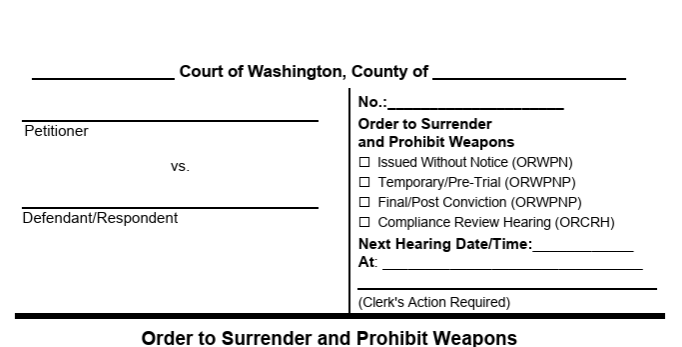
Understanding Washington's Weapon Surrender Orders: Not a Fourth Amendment Search

Hurt at a Phish Concert? What Washington's New Case Means for You

Can Texts Be Used Against You in Court?

Washington Supreme Court Expands Filing Options for Firearm Rights Restoration
Read more
The Growing Role of AI in Denied Insurance Claims

Understanding Civil vs. Criminal Case Terminology

Celebrate Independence Day Safely: Essential Tips

Preventing Slip and Fall Injuries at Pools: Key Safety Tips

Understanding Slip-and-Fall Cases: Key Insights

Understanding Personal Injury Damages

The Importance of Early Legal Representation in Criminal Cases

Navigating the General Stages of Criminal Litigation
Read more
Understanding Workplace Harassment Laws & Compliance
