
Oct 23 2026 13:00
What to Do After a Personal Injury
An unexpected accident can leave you managing far more than physical pain. Whether you were hurt in a vehicle collision, a fall, or another serious event, you may soon face medical visits, time away from work, insurance calls, and uncertainty about what comes next.
The actions you take after an injury can affect both your recovery and a possible personal injury claim. Taking practical steps early may help protect your health, preserve important information, and reduce avoidable complications.
Below are key steps to consider after being injured in an accident.
Seek Medical Attention Promptly
Your well-being should be the first priority. Even when an injury initially seems minor, it is wise to be evaluated by a healthcare professional as soon as possible.
Not every injury is immediately apparent. Symptoms such as soreness, stiffness, or other concerns can develop hours or days after an accident. Early care can help identify injuries before they worsen.
Medical documentation also records your condition, the care you received, and your progress during recovery. That information can be important if questions arise about the cause or severity of your injuries.
Make an Official Report
After an accident, report the incident to the appropriate person, business, or agency. A timely report helps establish a record of when and where the event occurred.
Depending on the circumstances, that may involve contacting law enforcement, notifying a property owner, completing an incident report, or informing your employer. The right reporting step will depend on the type of accident.
Creating a formal record early can reduce confusion and disputes later. It may also provide useful details when evaluating injury claims.
Photograph the Scene and Collect Details
If your condition allows, document the accident scene as soon as you can. Conditions can change quickly, and important evidence may no longer be available later.
Take photographs or video of relevant details, including:
- Your visible injuries
- Damage to vehicles involved
- Unsafe property conditions or hazards
- The weather at the time of the accident
- Any warnings or signs in the area
- The broader accident location
If anyone witnessed what happened, ask for their name and contact information when possible. Preserving details early can make it easier to reconstruct the incident and understand what occurred.
Save Records Related to the Accident
An injury can have financial consequences in addition to physical and emotional challenges. Keeping organized records of the accident and your recovery can be helpful throughout the process.
Consider saving copies of:
- Medical invoices
- Receipts for medications
- Therapy and rehabilitation records
- Vehicle or property repair estimates
- Pay records showing time missed from work
- Costs of traveling to medical appointments
It can also be useful to maintain a recovery journal. Notes about discomfort, limitations, sleep disruptions, mobility concerns, and day-to-day difficulties can help show how the injury has affected your life.
Use Caution With Insurance Conversations
Insurance adjusters may reach out shortly after an accident. Although these conversations may appear straightforward, it is important to approach them carefully.
A recorded statement, early settlement proposal, or document presented for signature can influence a personal injury claim. A quick offer may not fully reflect future treatment needs, lost wages, or the continuing effects of an injury.
Before accepting money or signing any paperwork, take time to understand your rights and available options. A Washington personal injury lawyer can help you assess the situation and make informed decisions about legal representation.
Continue Following Your Treatment Plan
Once you begin treatment, follow your doctor’s recommendations and attend your scheduled appointments. Consistent medical care supports your recovery and provides a clearer record of your condition.
Missed appointments or extended gaps in treatment can make it more difficult to demonstrate the full effect of an injury. They may also prompt questions about whether the injuries continued to affect you.
If you have concerns about your treatment plan, discuss them with your healthcare provider rather than deciding to stop treatment on your own.
Think Before Posting on Social Media
Social media activity can become relevant in a personal injury matter. Photos, comments, videos, and location updates may be viewed by others and interpreted without the full context.
Even an ordinary post can be used to challenge the extent of an injury or the impact it has had on your daily life. For that reason, it is generally best to avoid discussing the accident, your injuries, or your recovery online while a claim is ongoing.
Being careful about what you share helps protect your privacy and avoids unnecessary complications for your case.
Do Not Delay Seeking Guidance
Personal injury matters are subject to legal deadlines, and the applicable deadlines can vary based on the facts of the case. Waiting can also make it more challenging to preserve evidence and reach witnesses while memories are still fresh.
Seeking advice promptly can help you understand the process, protect your rights, and make decisions with more confidence. Early client communication also gives you an opportunity to ask questions about the next steps in your claim.
At Gehrke, Baker, Doull & Kelly Attorneys at Law, we help injured individuals in Des Moines, Washington, and throughout the Pacific Northwest navigate the personal injury process. Every situation is different, but timely action, thorough records, and informed decisions can help prevent common issues. If you have questions after an accident or need guidance with a personal injury claim, our team is here to help.
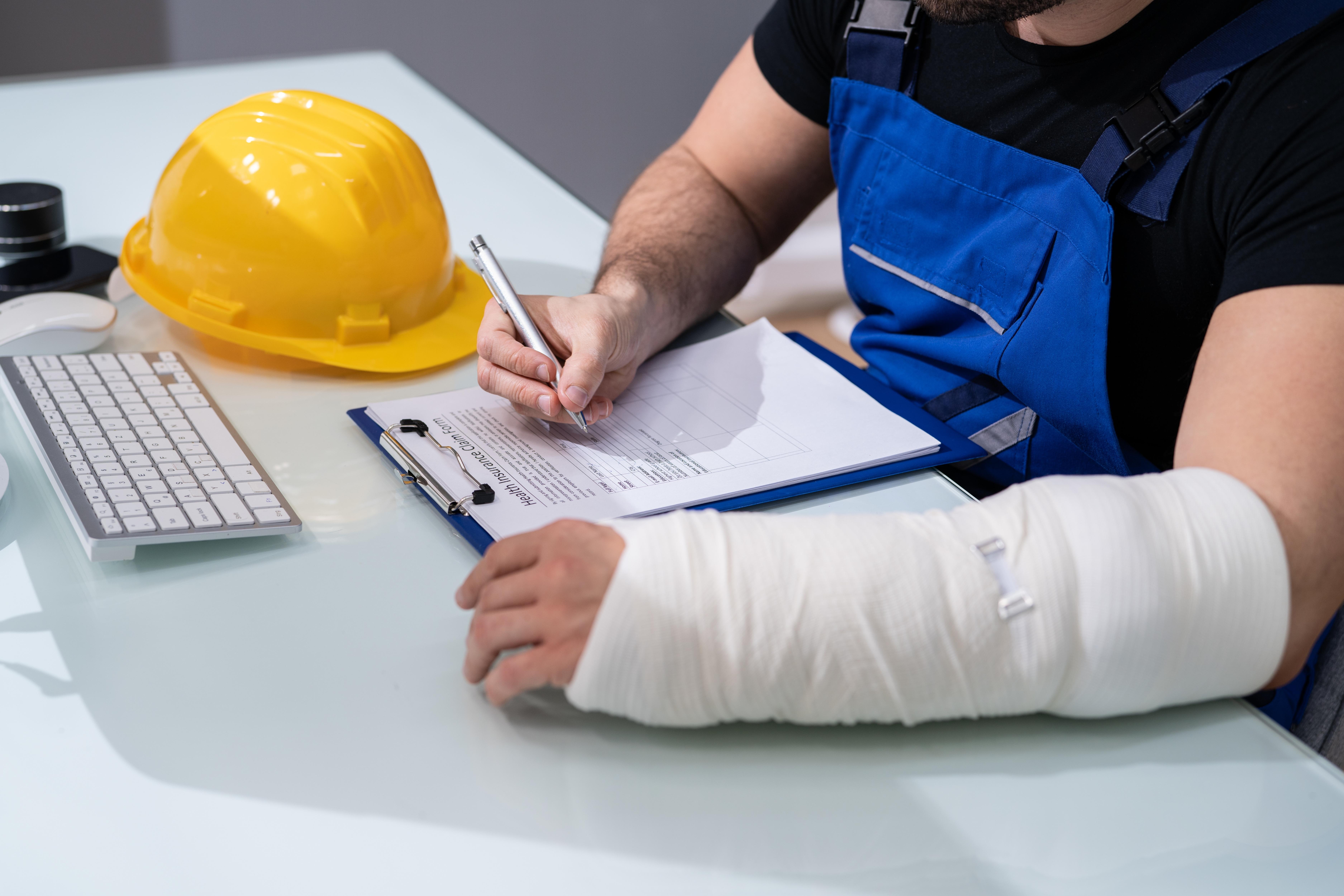
What to Do After a Personal Injury

Are Personal Injury Settlements Taxable?

Rights of Juvenile Defendants
Personal Injury Case Basics

Why Consistent Medical Treatment Matters After an Injury

Essential Summer Pool Safety And Liability Guidelines

Life After an Arrest or Conviction: What Comes Next
Read more
When a Fall Becomes a Property Owner’s Responsibility

Motorcycle Safety Awareness Month: A Shared Commitment to Safety
Read more
Washington Vacatur Law Update (2026): How State v. Abrams Changes the Rules for Clearing Convictions

Can You Kill a Dog to Protect Livestock? A New Washington Case Clarifies the Boundaries
Protecting Your Privacy During a Lawsuit

Spring Break Safety Tips: Simple Ways to Protect Yourself While Traveling

What to Do After an Accident Involving an Uninsured Driver

Winter Driving Dangers: Essential Safety and Legal Insights for Drivers and Pedestrians

Hit While “Jaywalking”? Washington Courts Say You May Still Have a Case
How a Rental Dispute Became a Felony Case
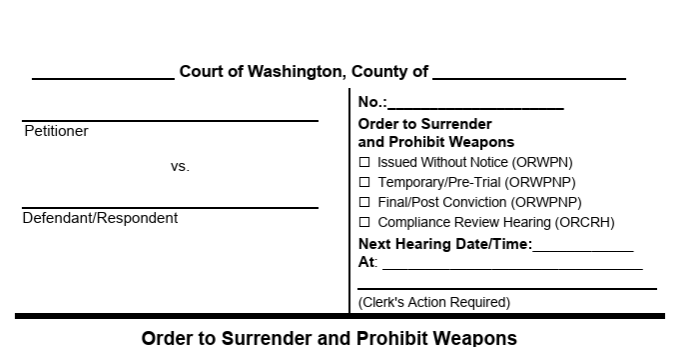
Understanding Washington's Weapon Surrender Orders: Not a Fourth Amendment Search

Hurt at a Phish Concert? What Washington's New Case Means for You

Can Texts Be Used Against You in Court?

Washington Supreme Court Expands Filing Options for Firearm Rights Restoration
Read more
The Growing Role of AI in Denied Insurance Claims

Understanding Civil vs. Criminal Case Terminology

Celebrate Independence Day Safely: Essential Tips

Preventing Slip and Fall Injuries at Pools: Key Safety Tips

Understanding Slip-and-Fall Cases: Key Insights

Understanding Personal Injury Damages

The Importance of Early Legal Representation in Criminal Cases
Navigating the General Stages of Criminal Litigation
Read more
Understanding Workplace Harassment Laws & Compliance
