
Sep 16 2026 13:00
Rights of Juvenile Defendants
Quick Summary:
When a minor is accused of unlawful behavior, the legal process can feel overwhelming for both the child and their family. The juvenile justice system operates differently from adult court, often emphasizing rehabilitation alongside accountability. Understanding how cases may proceed—and the rights involved—can help families make informed decisions early on.
When a young person becomes involved in the legal system, parents and guardians are often left with more questions than answers. The process can appear complex, especially when balancing the need to protect a child with the responsibility of addressing the situation appropriately. While these matters involve allegations of wrongdoing, they are handled through a system that differs significantly from adult criminal proceedings.
In most cases, the juvenile justice system is structured to encourage growth and positive change. Rather than focusing exclusively on punishment, the process often aims to guide minors toward better choices while still holding them accountable. Even so, the consequences of a juvenile case can extend into many areas of a child’s life, including school, family dynamics, and future opportunities. For that reason, having a clear understanding of rights and procedures is essential from the outset.
Not Every Incident Leads to Juvenile Court
It is a common misconception that any interaction with law enforcement automatically results in a court case. In reality, there are several possible outcomes depending on the circumstances. Officers may issue a warning, release the child into the care of a parent or guardian, or refer the situation for further evaluation.
In some instances, an intake officer, probation officer, or prosecutor reviews the case before deciding how to proceed. This review often considers factors such as the minor’s age, prior record, seriousness of the allegation, available evidence, and family environment. Based on these details, the matter may be dismissed, resolved informally, or redirected through alternative programs rather than entering the formal court system.
Because each situation is unique, families should avoid drawing conclusions too early. An initial police encounter does not necessarily determine how the case will ultimately be handled.
Rights During Police Questioning
One of the most critical stages in a juvenile matter occurs during interactions with law enforcement. If a minor is taken into custody and questioned, they generally have the right to remain silent and the right to legal representation.
Young individuals may feel pressure to explain themselves or believe that cooperating fully will resolve the issue quickly. However, statements made during questioning can significantly affect the direction of a case. Without proper legal guidance, a child may unintentionally provide information that could be used against them later.
It is important for both minors and their families to recognize that speaking to law enforcement without understanding these rights can carry serious consequences. Taking the time to seek appropriate legal advice before answering questions can help protect the child’s interests.
Notification of Parents or Guardians
When a minor is detained, law enforcement is typically required to make reasonable efforts to notify a parent or guardian. While the exact rules vary by state, keeping families informed is a fundamental part of the juvenile process.
In many cases, the child may also be allowed to contact a parent, guardian, or attorney. However, it is important to understand that these communications may not always be private. Phone calls made while in custody are often recorded, which means conversations should be approached carefully.
Open and timely communication between the child, their family, and legal counsel can help clarify the situation and ensure that everyone understands what steps may come next.
Understanding the Allegations
If a case moves forward, due process protections require that the child and their family be informed of the specific allegations. This notice provides a clear outline of the conduct being questioned and forms the foundation for any legal response.
Having a full understanding of the allegations is essential. It allows families to evaluate the evidence, consider possible defenses, and make informed decisions about how to proceed. Without this clarity, it becomes much more difficult to navigate the legal process effectively.
This requirement is a key safeguard, helping to ensure fairness and allowing the minor an opportunity to respond appropriately to the claims.
Diversion and Alternative Resolutions
In certain cases, the juvenile system offers alternatives to formal court proceedings. Diversion programs and informal resolutions are designed to address the underlying issues without requiring a full adjudication.
These programs may involve a range of conditions, such as counseling, educational courses, community service, restitution, or supervised activities. When successfully completed, these requirements can lead to the case being resolved without progressing further in the court system.
However, these options should not be taken lightly. Failing to meet program requirements or encountering additional legal issues can result in the case returning to a more formal process. Families should approach these opportunities with care and commitment.
If the Case Goes to Court
When a formal petition is filed, the juvenile court evaluates whether the minor should be adjudicated delinquent. While this outcome is not the same as an adult conviction, it can still carry meaningful and lasting consequences.
During the adjudication hearing, evidence is presented and witnesses may be called to testify. In most juvenile cases, a judge—rather than a jury—reviews the information and determines whether the allegations have been proven.
Throughout this process, important legal protections remain in place. These include the right to an attorney, the ability to challenge evidence, and the opportunity to question witnesses. These rights are essential in maintaining fairness and ensuring the child’s voice is represented.
The Importance of Legal Guidance
Juvenile cases can move quickly, and early decisions often shape the outcome. Having knowledgeable legal representation can make a meaningful difference in understanding options, evaluating evidence, and navigating each stage of the process.
At Gehrke, Baker, Doull & Kelly Attorneys at Law, families are guided through these complex situations with a focus on protecting the child’s future. Legal counsel can help identify potential alternatives, address procedural concerns, and advocate for outcomes that support long-term well-being.
No two cases are identical, and state-specific laws can significantly influence how a matter unfolds. Seeking legal insight early can provide clarity, reduce uncertainty, and help families approach the situation with greater confidence.

Rights of Juvenile Defendants

Personal Injury Case Basics

Why Consistent Medical Treatment Matters After an Injury

Essential Summer Pool Safety And Liability Guidelines

Life After an Arrest or Conviction: What Comes Next
Read more
When a Fall Becomes a Property Owner’s Responsibility

Motorcycle Safety Awareness Month: A Shared Commitment to Safety
Read more
Washington Vacatur Law Update (2026): How State v. Abrams Changes the Rules for Clearing Convictions

Can You Kill a Dog to Protect Livestock? A New Washington Case Clarifies the Boundaries

Protecting Your Privacy During a Lawsuit

Spring Break Safety Tips: Simple Ways to Protect Yourself While Traveling

What to Do After an Accident Involving an Uninsured Driver

Winter Driving Dangers: Essential Safety and Legal Insights for Drivers and Pedestrians

Hit While “Jaywalking”? Washington Courts Say You May Still Have a Case

How a Rental Dispute Became a Felony Case
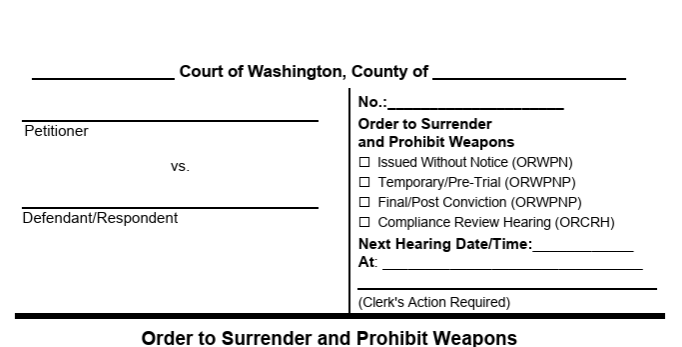
Understanding Washington's Weapon Surrender Orders: Not a Fourth Amendment Search

Hurt at a Phish Concert? What Washington's New Case Means for You

Can Texts Be Used Against You in Court?

Washington Supreme Court Expands Filing Options for Firearm Rights Restoration
Read more
The Growing Role of AI in Denied Insurance Claims

Understanding Civil vs. Criminal Case Terminology

Celebrate Independence Day Safely: Essential Tips

Preventing Slip and Fall Injuries at Pools: Key Safety Tips

Understanding Slip-and-Fall Cases: Key Insights

Understanding Personal Injury Damages

The Importance of Early Legal Representation in Criminal Cases

Navigating the General Stages of Criminal Litigation
Read more
Understanding Workplace Harassment Laws & Compliance
