
Oct 08 2026 13:00
Are Personal Injury Settlements Taxable?
Quick Summary:
Personal injury settlements are not always taxed the same way. Compensation tied to physical injuries is often excluded from federal income tax, but other portions—such as punitive damages or interest—may be taxable. Because each settlement is structured differently, understanding how payments are categorized can help you avoid unexpected tax consequences and plan your financial recovery more effectively.
Why Tax Treatment Varies in Personal Injury Cases
After settling a personal injury claim, many individuals feel a sense of relief as compensation finally arrives. Not long after, a common concern arises: will any of this money be taxed? The answer depends on the nature of the damages awarded.
The IRS does not treat all settlements the same. Instead, it looks at the purpose behind each portion of the payment. This means that how your settlement is divided—and how it is described in the agreement—can significantly influence your tax obligations.
At Gehrke, Baker, Doull & Kelly Attorneys at Law, we often help clients understand that the details matter. Knowing how each category of compensation is classified can make a meaningful difference in what you ultimately keep.
Compensation for Physical Injuries Is Typically Excluded
In many personal injury cases, the largest portion of a settlement is tied to physical harm. Payments intended to cover medical bills, physical pain, and other direct effects of bodily injury are generally not considered taxable income under federal law.
This favorable treatment applies regardless of how the compensation is delivered. Whether the funds come from a negotiated agreement, a court award, or a structured payout over time, the key factor is that the damages relate directly to a physical injury or illness.
The reasoning behind this rule is straightforward: these payments are meant to restore what was lost, not to provide additional income. Still, even within this general rule, every case should be reviewed carefully to ensure proper classification.
Some Types of Compensation May Be Taxable
While many settlement components are excluded from taxation, others are not. Certain categories of damages are treated differently because of their purpose.
One of the most common examples is punitive damages. These are awarded not to compensate the injured person, but to penalize the at-fault party for especially harmful behavior and to discourage similar conduct in the future.
Because punitive damages are not tied to reimbursing a specific loss, they are usually treated as taxable income. This distinction is important when reviewing your settlement breakdown, as it determines what may need to be reported to the IRS.
Interest Included in a Settlement Is Usually Taxable
Interest is another element that can affect how your settlement is taxed. In some cases, interest accumulates between the time of judgment and the final payment.
Even if the underlying settlement amount is largely tax-free, any interest portion is typically considered taxable. The IRS separates this from the injury-related compensation, viewing it as income earned over time rather than reimbursement for harm.
This can catch people off guard, especially if they assume all funds connected to their case are treated equally. Understanding this distinction can help you prepare for potential reporting requirements.
Emotional Distress Damages Require Careful Review
Compensation for emotional distress does not always receive the same tax treatment and often depends on how the claim is connected to physical harm.
If emotional suffering stems directly from a physical injury—such as trauma following a serious accident—it may be treated similarly to the physical injury itself and excluded from taxable income.
On the other hand, if emotional distress is not linked to a bodily injury, those damages may be taxable. Because these situations can vary widely, the specific facts of the case play a critical role in determining how the IRS will treat the compensation.
Prior Medical Deductions Can Impact Tax Obligations
Another factor to consider is whether you previously claimed medical expenses related to your injury on your tax returns.
If you deducted those expenses in an earlier year and later receive reimbursement for them through a settlement, you may be required to report that portion as income. This rule prevents a double tax benefit—receiving both a deduction and a tax-free reimbursement for the same cost.
For individuals who have taken medical deductions, reviewing past returns can be an important step when evaluating the tax impact of a settlement.
Each Settlement Is Structured Differently
No two personal injury settlements are identical. Several variables influence tax treatment, including the type of damages awarded, how payments are allocated, whether interest is included, and any prior tax filings.
The wording used in a settlement agreement can also shape how payments are interpreted. Clearly outlining what each portion is intended to cover can provide greater clarity and help reduce confusion when it comes time to file taxes.
Because of these complexities, there is no one-size-fits-all answer. While many injury-related payments are excluded from taxation, exceptions can and do apply depending on the details.
Why Understanding Tax Implications Matters
Being informed about how your settlement may be taxed allows you to plan ahead and avoid surprises. It can also help you ask the right questions when negotiating or finalizing an agreement.
At Gehrke, Baker, Doull & Kelly Attorneys at Law, we work with clients to clarify these issues so they can make confident decisions. Understanding how compensation is categorized is an important part of protecting your financial recovery and ensuring you are fully prepared for what comes next.
If you are considering a personal injury claim or have questions about a recent settlement, having the right legal guidance can make all the difference in navigating both the legal and financial aspects of your case.

Are Personal Injury Settlements Taxable?

Rights of Juvenile Defendants

Personal Injury Case Basics

Why Consistent Medical Treatment Matters After an Injury

Essential Summer Pool Safety And Liability Guidelines

Life After an Arrest or Conviction: What Comes Next
Read more
When a Fall Becomes a Property Owner’s Responsibility

Motorcycle Safety Awareness Month: A Shared Commitment to Safety
Read more
Washington Vacatur Law Update (2026): How State v. Abrams Changes the Rules for Clearing Convictions

Can You Kill a Dog to Protect Livestock? A New Washington Case Clarifies the Boundaries

Protecting Your Privacy During a Lawsuit

Spring Break Safety Tips: Simple Ways to Protect Yourself While Traveling

What to Do After an Accident Involving an Uninsured Driver

Winter Driving Dangers: Essential Safety and Legal Insights for Drivers and Pedestrians

Hit While “Jaywalking”? Washington Courts Say You May Still Have a Case

How a Rental Dispute Became a Felony Case
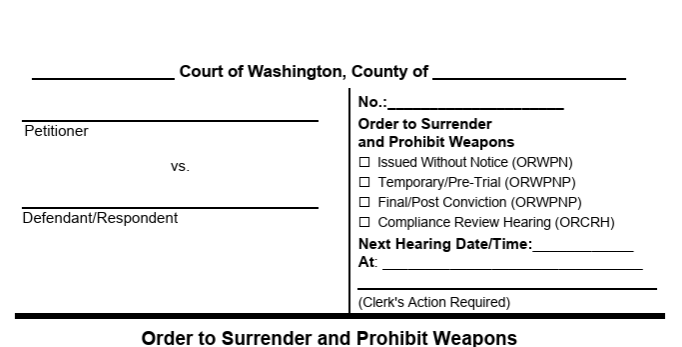
Understanding Washington's Weapon Surrender Orders: Not a Fourth Amendment Search

Hurt at a Phish Concert? What Washington's New Case Means for You

Can Texts Be Used Against You in Court?

Washington Supreme Court Expands Filing Options for Firearm Rights Restoration
Read more
The Growing Role of AI in Denied Insurance Claims

Understanding Civil vs. Criminal Case Terminology

Celebrate Independence Day Safely: Essential Tips

Preventing Slip and Fall Injuries at Pools: Key Safety Tips

Understanding Slip-and-Fall Cases: Key Insights

Understanding Personal Injury Damages

The Importance of Early Legal Representation in Criminal Cases

Navigating the General Stages of Criminal Litigation
Read more
Understanding Workplace Harassment Laws & Compliance
