
May 04 2026 15:00
Motorcycle Safety Awareness Month: A Shared Commitment to Safety
May marks Motorcycle Safety Awareness Month, a national call to recognize how much motorcyclist safety depends on shared responsibility. As warmer temperatures bring more riders back onto the road, the chance of close interactions between motorcycles and passenger vehicles rises. With that increase comes a heightened need for awareness, caution, and understanding from everyone behind the wheel.
Motorcycle crashes can lead to devastating outcomes, often resulting in significant injuries, costly medical treatment, and complex legal challenges. Many of these incidents lead to personal injury claims, civil disputes, or even criminal consequences. When both drivers and riders understand common hazards and adjust their habits accordingly, the likelihood of collisions—and the legal fallout that follows—can be reduced.
The Distinct Dangers Motorcyclists Face
Motorcyclists tend to experience greater risk on the road because they lack the physical protection that enclosed vehicles provide. Even moderate-speed impacts can cause serious harm, making riders far more vulnerable to severe or fatal injuries.
The National Highway Traffic Safety Administration consistently reports that motorcyclists face a disproportionately high risk of injury or death compared to occupants of larger vehicles. Many crashes stem from issues like limited visibility, inaccurate judgments of speed or distance, impaired driving, and failure to yield.
From a legal standpoint, determining responsibility in motorcycle crashes can be especially complex. Fault is frequently disputed, requiring careful evaluation of driver actions, rider responses, roadway conditions, and available evidence. When injuries are long-lasting or life-altering, these cases often demand extensive investigation.
Key Safety Considerations for Drivers
Drivers play an essential role in preventing motorcycle crashes. A significant number of collisions occur simply because a driver did not see an approaching motorcycle or misjudged how quickly it was traveling.
According to the Insurance Institute for Highway Safety, left-turn accidents are among the most frequent motorcycle-related crashes. These incidents typically unfold when a driver turns left across the path of an oncoming motorcycle, particularly at intersections. In many cases, the motorcycle was visible, but the driver did not fully register it.
Drivers can help reduce risks by checking blind spots before merging or switching lanes and by leaving additional space behind motorcycles, which can stop more quickly than cars. Intersections require special caution, especially during left turns, when motorcycle visibility is most frequently compromised. Eliminating distractions and staying alert behind the wheel is even more critical during peak riding months.
Behaviors such as distraction, impairment, or reckless driving can greatly influence legal outcomes if a crash occurs. These actions can lead to increased liability, civil claims, and in some cases, criminal charges. Simple, consistent attention to safety can help avoid tragic and legally complicated situations.
What Riders Should Keep in Mind
Motorcyclists also face unpredictable circumstances on the road. Defensive riding habits and thorough preparation can significantly lower both crash risk and the severity of injuries when accidents happen.
The Centers for Disease Control and Prevention highlights that helmets greatly reduce the likelihood of head trauma and fatal injuries. While no gear can prevent all harm, wearing proper protection is a major factor in medical outcomes and may influence personal injury cases.
Riders can strengthen their safety profile by completing professional training courses and maintaining proper licensing to build skill and confidence. Using protective equipment—including a DOT-approved helmet—substantially improves the odds of reducing severe injuries. Increasing visibility by adding reflective elements to riding apparel and motorcycles also helps drivers notice riders sooner, especially in heavy traffic or low-light conditions.
Because visibility remains one of the most consistent challenges motorcycles face, riders can take additional steps such as tapping their brake lights before stopping to signal deceleration more clearly. This small action can help prevent rear-end collisions by giving drivers more time to react.
Speeding, riding under the influence, and inadequate training can increase the chances of a crash and may influence legal scrutiny after an accident. Rider conduct is often examined carefully during insurance assessments or court proceedings.
Liability, Enforcement, and Legal Considerations
Motorcycle collisions rarely result in simple claims. Severe injuries often lead to extended medical care, insurance disputes, and sometimes criminal investigations.
The American Bar Association notes that motorcycle cases often involve complex liability issues. When fault is unclear or contested, evidence such as reconstruction reports, eyewitness statements, or traffic camera footage may play a crucial role in determining responsibility.
Legal investigations commonly focus on factors such as impaired driving, distraction, reckless conduct, or failure to follow traffic laws. Disputes over right-of-way at intersections are especially common in determining fault.
Because motorcycle injuries are frequently severe, insurers and prosecutors may closely examine the circumstances surrounding the crash. Taking preventive safety measures cannot eliminate all risks, but it can reduce potential injuries and legal complications.
Shared Responsibility Leads to Safer Roads
Motorcycle Safety Awareness Month reinforces the importance of collective responsibility. Motorist and rider safety is interconnected, shaped by awareness, attentiveness, and adherence to traffic rules.
Drivers must remain aware of motorcycles, practice patience, and avoid distractions. Motorcyclists must prioritize visibility, operate defensively, and follow licensing and safety protocols. When both parties commit to responsible behavior, the road becomes safer for everyone.
Responsible choices not only save lives but also help prevent costly litigation, criminal charges, and long-term financial consequences. Preventing a crash is always better than navigating the fallout afterward.
If you or someone you know has been involved in a motorcycle accident, understanding your legal options is essential. Experienced counsel can guide you through personal injury claims, liability issues, and potential criminal concerns. Contact our team to learn how to protect your rights and move forward with confidence.

Rights of Juvenile Defendants

Personal Injury Case Basics

Why Consistent Medical Treatment Matters After an Injury

Essential Summer Pool Safety And Liability Guidelines

Life After an Arrest or Conviction: What Comes Next
Read more
When a Fall Becomes a Property Owner’s Responsibility

Motorcycle Safety Awareness Month: A Shared Commitment to Safety
Read more
Washington Vacatur Law Update (2026): How State v. Abrams Changes the Rules for Clearing Convictions

Can You Kill a Dog to Protect Livestock? A New Washington Case Clarifies the Boundaries

Protecting Your Privacy During a Lawsuit

Spring Break Safety Tips: Simple Ways to Protect Yourself While Traveling

What to Do After an Accident Involving an Uninsured Driver

Winter Driving Dangers: Essential Safety and Legal Insights for Drivers and Pedestrians

Hit While “Jaywalking”? Washington Courts Say You May Still Have a Case

How a Rental Dispute Became a Felony Case
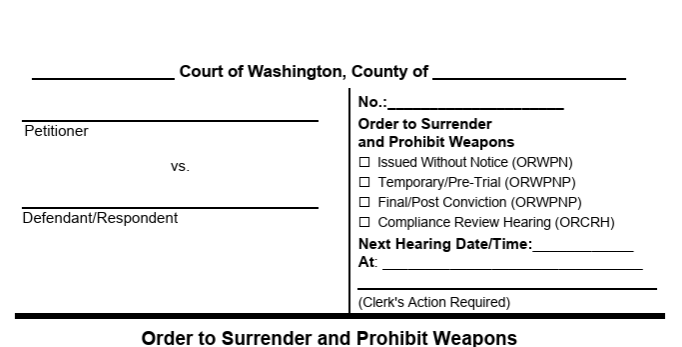
Understanding Washington's Weapon Surrender Orders: Not a Fourth Amendment Search

Hurt at a Phish Concert? What Washington's New Case Means for You

Can Texts Be Used Against You in Court?
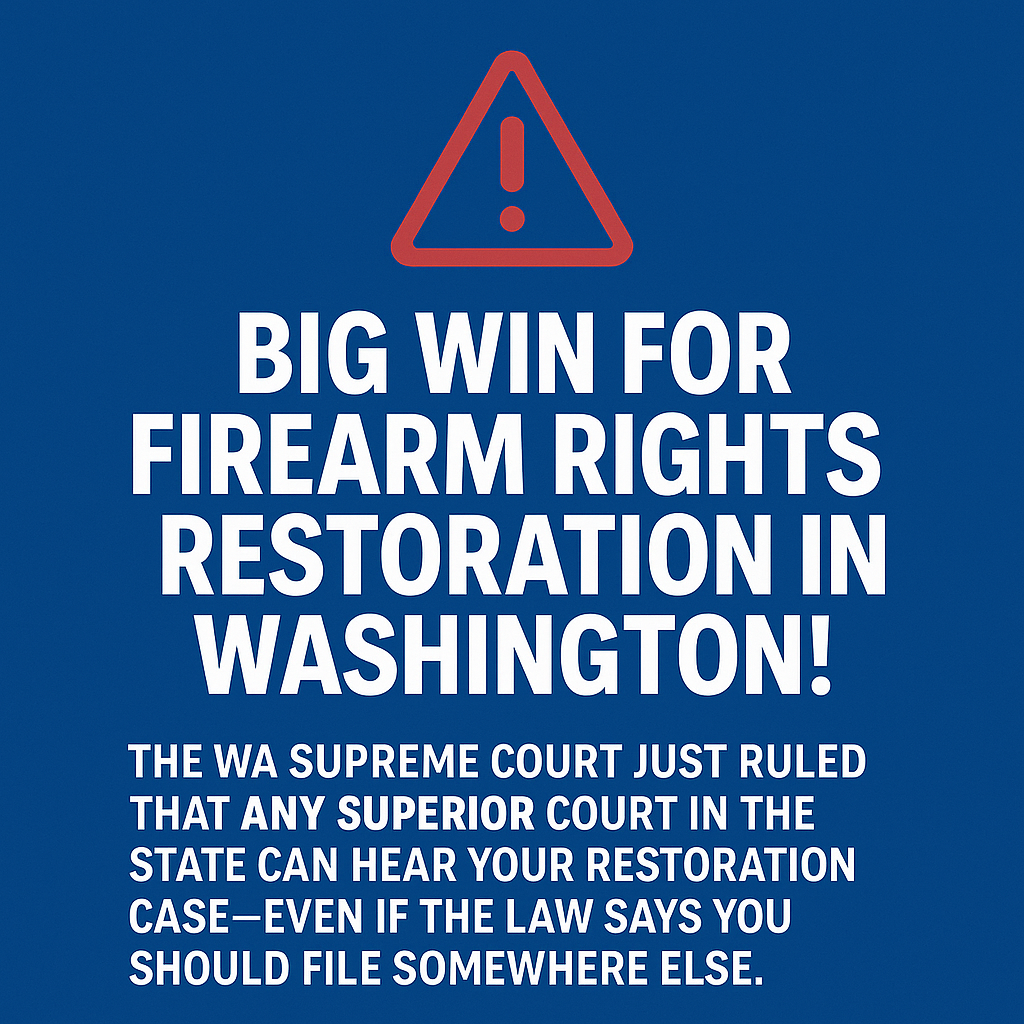
Washington Supreme Court Expands Filing Options for Firearm Rights Restoration
Read more
The Growing Role of AI in Denied Insurance Claims

Understanding Civil vs. Criminal Case Terminology

Celebrate Independence Day Safely: Essential Tips

Preventing Slip and Fall Injuries at Pools: Key Safety Tips

Understanding Slip-and-Fall Cases: Key Insights

Understanding Personal Injury Damages

The Importance of Early Legal Representation in Criminal Cases

Navigating the General Stages of Criminal Litigation
Read more
Understanding Workplace Harassment Laws & Compliance
