
Jan 06 2026 16:00
Winter Driving Dangers: Essential Safety and Legal Insights for Drivers and Pedestrians
Understanding the Hazards of Winter Travel
Winter weather brings a unique set of challenges to anyone traveling by car or on foot. Snow, sleet, ice, and shorter days all contribute to conditions that are harder to navigate and more likely to lead to accidents. Whether you're behind the wheel or walking near busy roads, recognizing how winter weather affects safety—and knowing your legal protections—can make a major difference when incidents occur.
Why Winter Conditions Increase Accident Risk
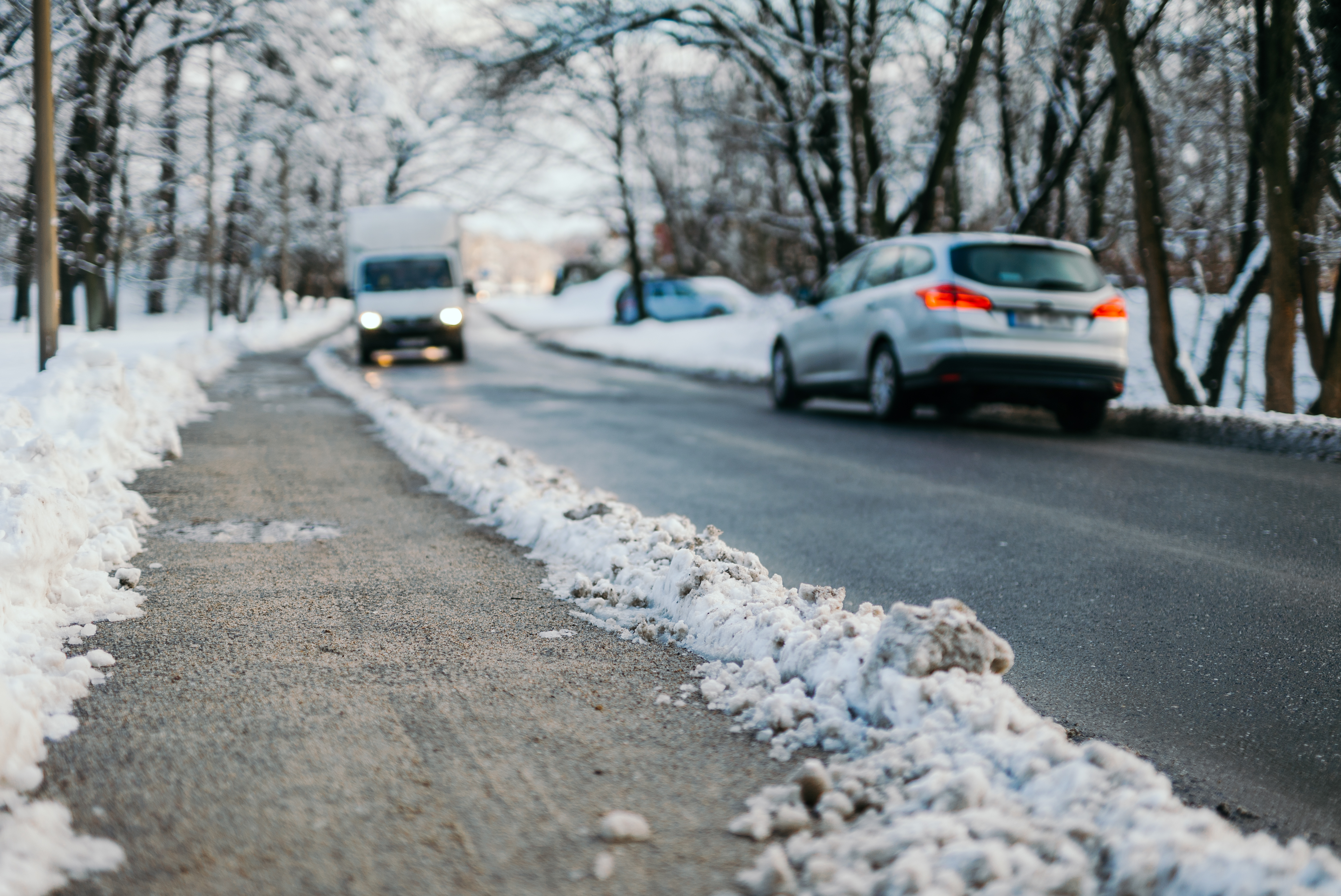
The Federal Highway Administration reports that nearly one-quarter of all weather-related crashes happen on icy, snowy, or slushy roadways. Another significant portion occurs during active snowfall. Reduced traction and poor visibility make it much harder to stay in control of a vehicle, and when crashes do happen, emergency responders often face delays due to road conditions. All of these factors combine to make winter accidents especially dangerous.
One major hazard is black ice—a thin, transparent layer of ice that blends seamlessly into the road surface. It usually forms overnight or early in the morning and can cause drivers to lose control instantly, even at modest speeds. Each year, icy pavement contributes to more than 150,000 crashes and over 550 deaths nationwide.
Shorter daylight hours compound the danger. During the winter months, it’s often pitch dark when people commute home or walk to evening activities. With sidewalks narrowed by snow piles and pedestrians wearing darker, heavier clothing, visibility drops dramatically. Statistics show that nearly 80% of pedestrian fatalities happen at night, and winter conditions only heighten that risk.
Frequent Driver Errors That Make Winter Roads Riskier
Although many winter accidents are preventable, common mistakes raise the chances of collisions. One frequently overlooked issue is neglecting to clear off snow and ice before driving. Snow left on a car roof can blow off mid-drive and obstruct your windshield—or strike a vehicle behind you. Several states, such as Pennsylvania and New Jersey, have laws requiring drivers to remove accumulated snow before getting on the road.
Other risky behaviors include driving faster than conditions allow, tailgating, and failing to turn on headlights during snow or low-light periods. Sudden lane changes or abrupt braking can also trigger skids, especially on roads that haven't been treated or plowed. These actions often lead to multi-vehicle crashes when surrounding drivers cannot react quickly enough.
Why Rural Roads and Commercial Trucks Raise the Stakes
Rural communities face added winter driving hazards. Snow removal may happen less frequently, and bridges or overpasses often freeze before the rest of the road. Limited lighting and fewer controlled intersections make it harder to see oncoming vehicles, pedestrians, or patches of ice. Slower emergency response times in rural areas also mean injuries from crashes can become more severe.
For commercial truck drivers, winter presents even greater risks. Large trucks need significantly more distance to come to a complete stop, and icy roads make that process even more unpredictable. A jackknife event—where a trailer swings wide across the roadway—can unfold in seconds, often triggering large pileups involving numerous vehicles.
The Federal Highway Administration estimates that over 1,800 people die each year in crashes on snowy or icy roads, and many of these tragedies involve large trucks. One of the most striking examples was the 2021 Fort Worth crash, where icy conditions caused a devastating 130-car pileup, resulting in six fatalities and dozens of injuries.
Distraction Meets Low Visibility: A Dangerous Mix
Winter conditions also magnify the impact of distraction on both drivers and pedestrians. Drivers may be adjusting heat settings, clearing fogged windows, or navigating unfamiliar winter routes. Pedestrians, bundled in layers or carrying bags, may be more focused on maintaining balance than watching traffic.
Young children walking to school in early morning darkness are especially hard to see, particularly if they aren’t wearing reflective gear. Older adults face other challenges, including slower mobility and difficulty navigating snowy sidewalks. When low visibility, icy surfaces, and split-second distractions combine, the likelihood of serious accidents increases substantially.
Proactive Steps to Improve Winter Safety for Drivers
Drivers can take several effective steps to reduce winter risks:
- Remove all snow and ice from the roof, windows, lights, and mirrors before driving.
- Slow down and increase following distance to allow more time to react on slippery roads.
- Brake gradually to avoid skidding or losing control.
- Prepare an emergency kit with essentials like a scraper, blanket, flashlight, and sand or kitty litter for traction if the vehicle becomes stuck.
How Pedestrians Can Stay Safe in Winter Weather
Pedestrians also play a vital role in winter safety. Wearing clothing in bright or reflective colors helps drivers see you sooner. Using designated crossings and avoiding walking in the roadway—even if snow crowds the sidewalks—reduces the risk of close encounters with vehicles. Staying aware of surroundings and avoiding phone distractions during intersections is especially important in dark or snowy conditions.
Why Legal Support Is Crucial After a Winter Collision
Despite best efforts, winter crashes still occur—and they often lead to complicated insurance and injury claims. If you or someone close to you is hurt in a winter-related accident, whether as a driver or a pedestrian, reaching out to a personal injury attorney can make a significant difference. A lawyer can help you understand your options, resolve disputes with insurers, and pursue the compensation you need for medical bills, lost earnings, and long-term impacts.
If you’ve been affected by a winter accident, don’t hesitate to seek help. Contact our firm to learn more about your rights and the steps you can take to protect yourself and your family.

Rights of Juvenile Defendants

Personal Injury Case Basics

Why Consistent Medical Treatment Matters After an Injury

Essential Summer Pool Safety And Liability Guidelines
Life After an Arrest or Conviction: What Comes Next
Read more
When a Fall Becomes a Property Owner’s Responsibility

Motorcycle Safety Awareness Month: A Shared Commitment to Safety
Read more
Washington Vacatur Law Update (2026): How State v. Abrams Changes the Rules for Clearing Convictions
Can You Kill a Dog to Protect Livestock? A New Washington Case Clarifies the Boundaries
Protecting Your Privacy During a Lawsuit
Spring Break Safety Tips: Simple Ways to Protect Yourself While Traveling
What to Do After an Accident Involving an Uninsured Driver
Winter Driving Dangers: Essential Safety and Legal Insights for Drivers and Pedestrians
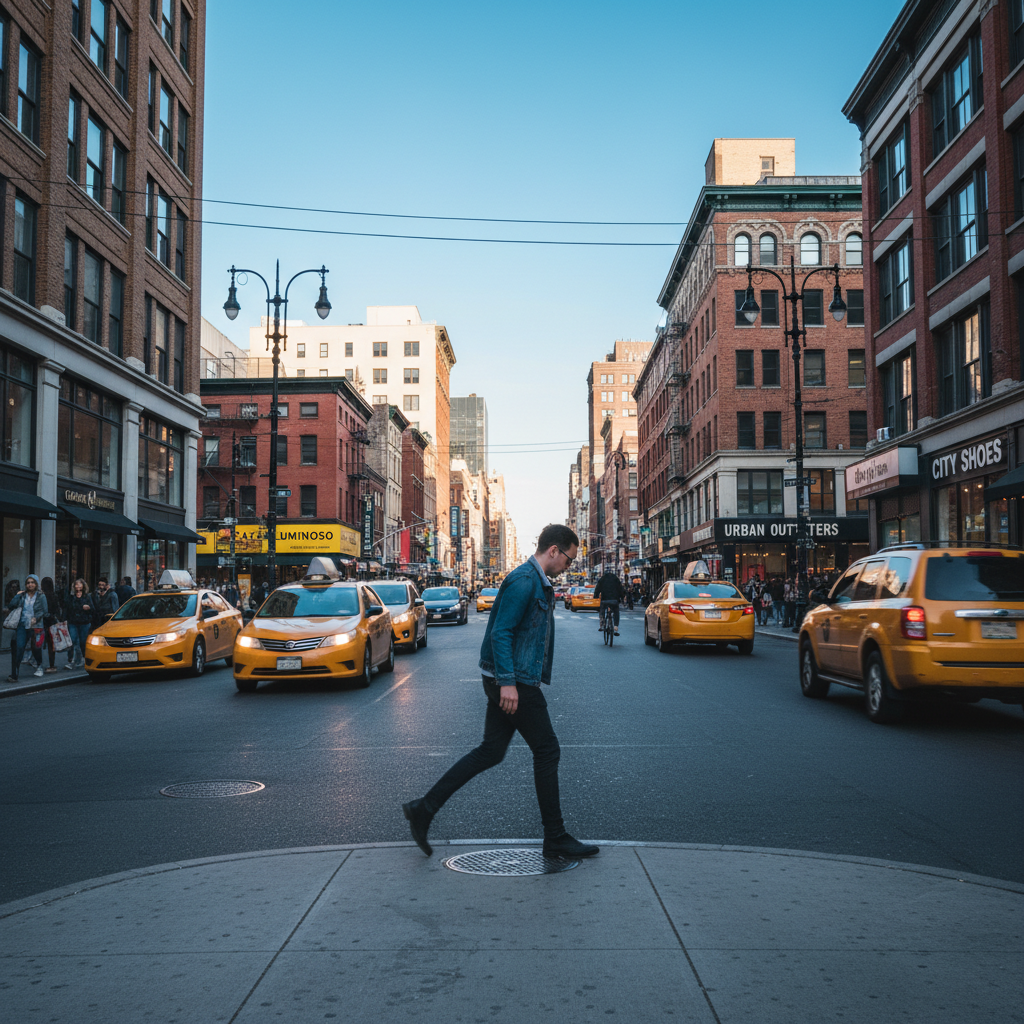
Hit While “Jaywalking”? Washington Courts Say You May Still Have a Case

How a Rental Dispute Became a Felony Case
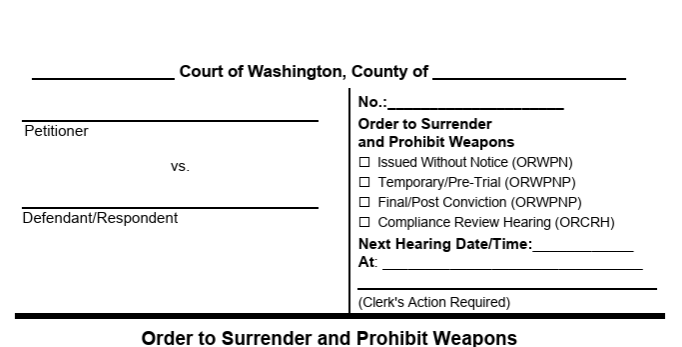
Understanding Washington's Weapon Surrender Orders: Not a Fourth Amendment Search

Hurt at a Phish Concert? What Washington's New Case Means for You

Can Texts Be Used Against You in Court?
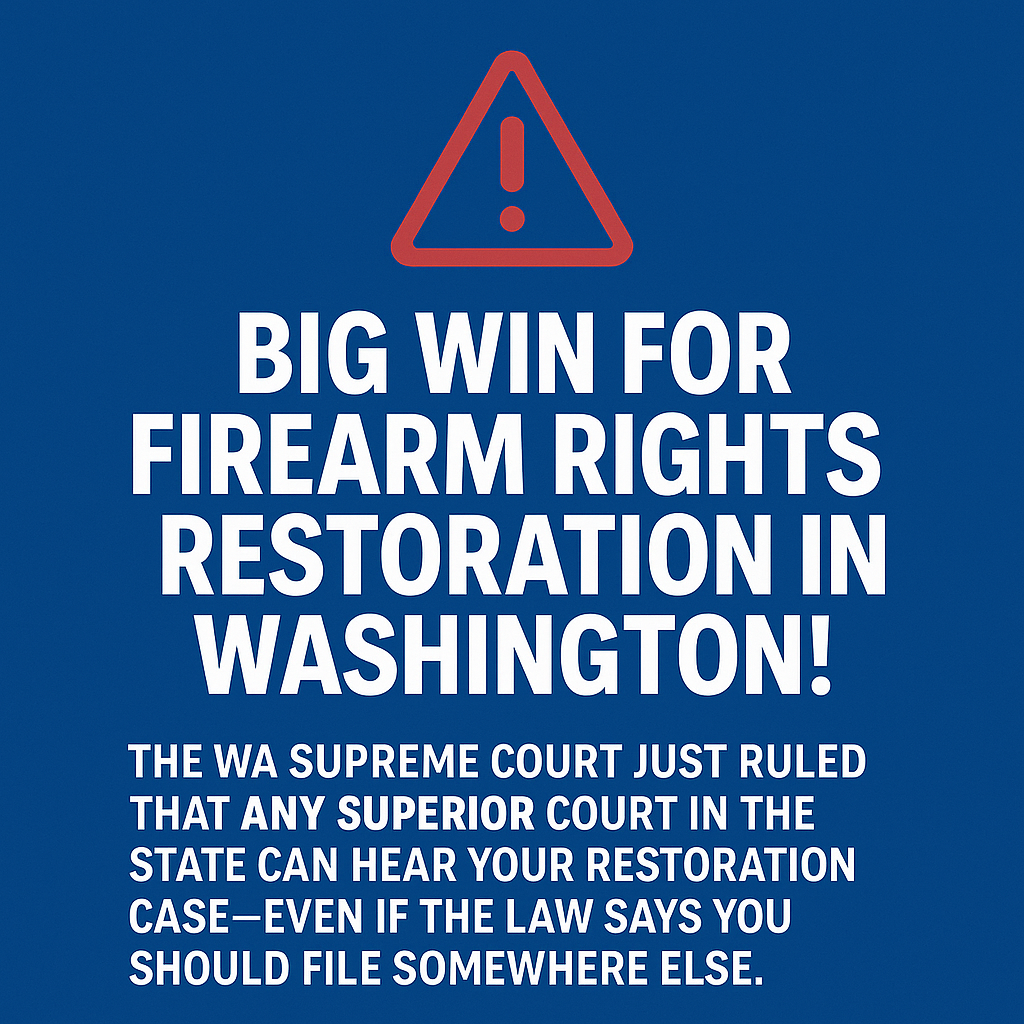
Washington Supreme Court Expands Filing Options for Firearm Rights Restoration
Read more
The Growing Role of AI in Denied Insurance Claims

Understanding Civil vs. Criminal Case Terminology

Celebrate Independence Day Safely: Essential Tips

Preventing Slip and Fall Injuries at Pools: Key Safety Tips

Understanding Slip-and-Fall Cases: Key Insights

Understanding Personal Injury Damages

The Importance of Early Legal Representation in Criminal Cases

Navigating the General Stages of Criminal Litigation
Read more
Understanding Workplace Harassment Laws & Compliance
