
Feb 05 2026 16:00
What to Do After an Accident Involving an Uninsured Driver
Being involved in a car accident is unsettling in any situation, but discovering that the other driver doesn’t have insurance can add an entirely new layer of stress. Even though most states require motorists to carry at least minimum liability coverage, plenty of drivers still take the gamble of getting behind the wheel without it. When an uninsured driver causes a crash, it can become harder to recover money for medical treatment, missed work, or repairs to your vehicle—but it’s not impossible. Understanding your options and taking the right steps early on can make all the difference.
Take Immediate Action After the Accident
The moments right after a collision are critical. Begin by making sure you and your passengers are safe and checking everyone for injuries. If anyone is hurt, call 911 right away. Even if the accident seems minor, you should always contact local law enforcement so an official report can be filed. That documentation often becomes essential when navigating insurance claims involving an uninsured driver.
While you’re still at the scene, try to collect as much information as you can. Get the other driver’s name, contact details, and vehicle information if they are willing to provide it. Take photos of both vehicles, the surrounding scene, and any visible damage. These details can help support your claim later.
Once you’ve gathered essential information, reach out to your insurance company to report the accident. Many states operate under an “at-fault” system, meaning the driver responsible for causing the collision is financially liable. Because of this, determining fault will significantly shape your next steps and what type of coverage may apply.
How Your Insurance May Protect You
If the uninsured driver is ultimately found to be at fault, your own auto policy may step in to help cover your expenses. Many drivers have uninsured or underinsured motorist (UM/UIM) coverage as part of their policy. This type of coverage can pay for medical treatment, lost income, and in some cases, damage to your vehicle when the at-fault party doesn’t have sufficient insurance—or any at all.
Other types of coverage may also come into play. Collision coverage, for example, can help pay for vehicle repairs regardless of who caused the accident. Personal injury protection (PIP), available in some states, can help with medical costs or lost wages no matter who is responsible. If you opted out of these optional coverages, though, your options for reimbursement through insurance alone may be narrower.
Understanding what your policy includes—and doesn’t include—can help you assess the best path forward. If you’re unsure, your insurer can explain your available coverage and what benefits might apply to your situation.
Considering Legal Action
When insurance coverage isn’t enough to fully compensate you for your losses, you might think about pursuing legal action. Filing a lawsuit against the uninsured driver may be one way to recover the costs of medical care, car repairs, and even pain and suffering. However, it’s important to consider whether this option is practical. If the at-fault driver lacks insurance, they may also lack the financial ability to pay for damages—making legal action less effective.
Before making any decisions, it’s wise to consult with an attorney who handles car accident cases. A legal professional can help evaluate the strength of your claim, determine whether the other driver has assets that might cover a settlement or judgment, and guide you through the documentation you’ll need to support your case.
Handling Hit-and-Run Situations
Hit-and-run accidents present similar challenges. If the responsible driver leaves the scene and can’t be identified or located, your uninsured motorist coverage typically applies. To protect your ability to make a claim, file a police report as soon as possible and notify your insurance company promptly. Providing detailed information up front helps streamline the process and ensures your insurer has everything needed to evaluate your claim.
Why Working With an Attorney Can Help
Facing an accident caused by an uninsured driver can feel overwhelming, especially when you’re trying to navigate insurance rules, recover from injuries, and repair your vehicle. An attorney can help lighten that burden by handling communication with your insurance company, guiding you through your options, and advocating for your rights. They can also help you avoid mistakes that might delay or reduce your compensation.
While dealing with the aftermath of an accident is never easy, taking swift action and understanding the resources available to you can help reduce financial strain and put you in a stronger position to recover. Whether you rely on your own insurance, pursue legal remedies, or consult with a professional, the key is to stay informed and act quickly to protect your interests.

Are Personal Injury Settlements Taxable?

Rights of Juvenile Defendants

Personal Injury Case Basics

Why Consistent Medical Treatment Matters After an Injury

Essential Summer Pool Safety And Liability Guidelines

Life After an Arrest or Conviction: What Comes Next
Read more
When a Fall Becomes a Property Owner’s Responsibility

Motorcycle Safety Awareness Month: A Shared Commitment to Safety
Read more
Washington Vacatur Law Update (2026): How State v. Abrams Changes the Rules for Clearing Convictions

Can You Kill a Dog to Protect Livestock? A New Washington Case Clarifies the Boundaries

Protecting Your Privacy During a Lawsuit

Spring Break Safety Tips: Simple Ways to Protect Yourself While Traveling

What to Do After an Accident Involving an Uninsured Driver

Winter Driving Dangers: Essential Safety and Legal Insights for Drivers and Pedestrians

Hit While “Jaywalking”? Washington Courts Say You May Still Have a Case
How a Rental Dispute Became a Felony Case
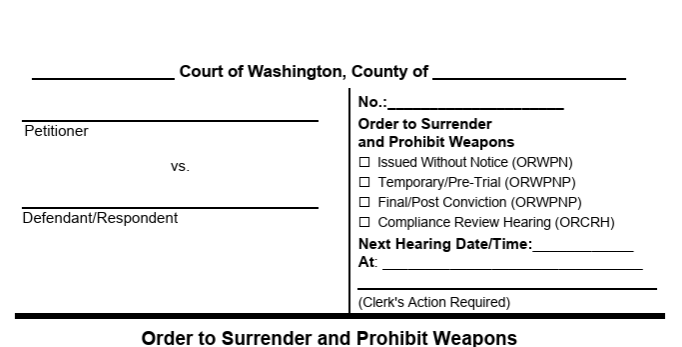
Understanding Washington's Weapon Surrender Orders: Not a Fourth Amendment Search

Hurt at a Phish Concert? What Washington's New Case Means for You

Can Texts Be Used Against You in Court?
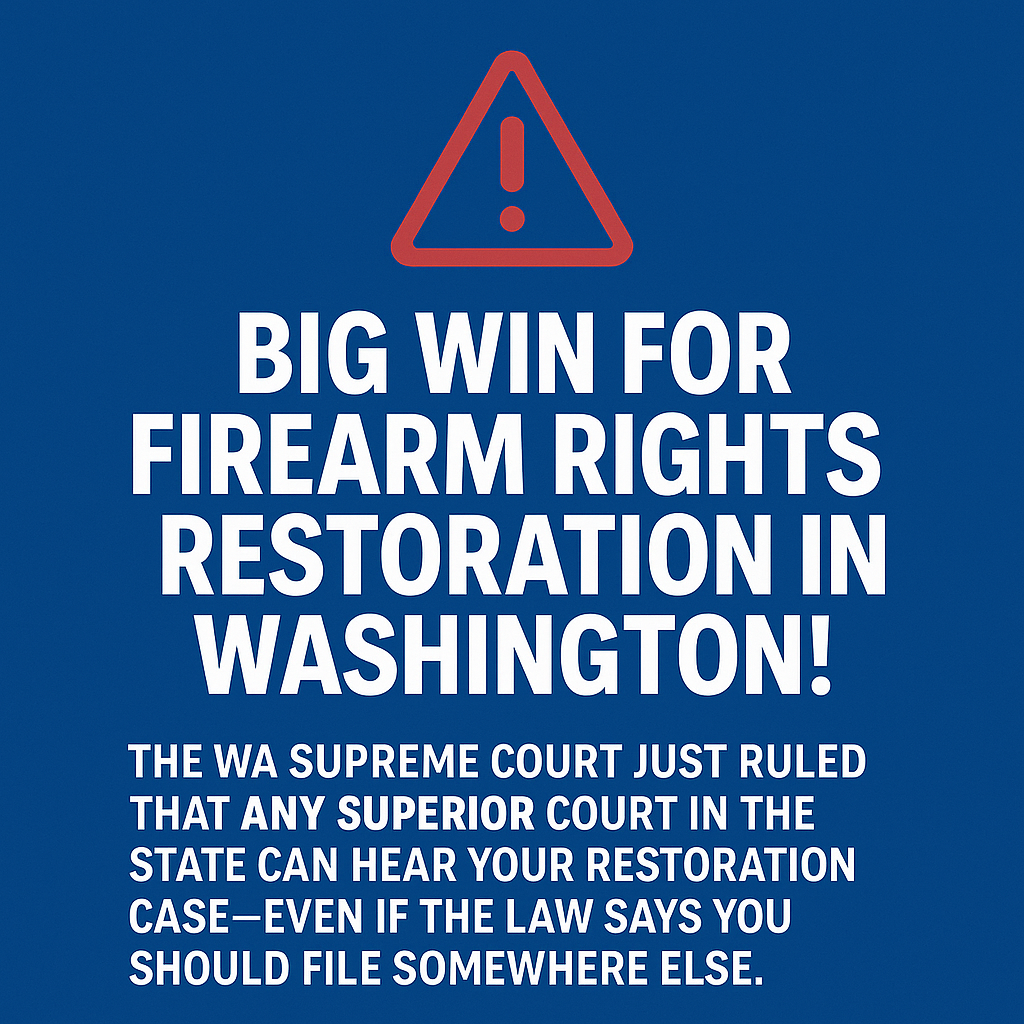
Washington Supreme Court Expands Filing Options for Firearm Rights Restoration
Read more
The Growing Role of AI in Denied Insurance Claims

Understanding Civil vs. Criminal Case Terminology

Celebrate Independence Day Safely: Essential Tips

Preventing Slip and Fall Injuries at Pools: Key Safety Tips

Understanding Slip-and-Fall Cases: Key Insights

Understanding Personal Injury Damages

The Importance of Early Legal Representation in Criminal Cases
Navigating the General Stages of Criminal Litigation
Read more
Understanding Workplace Harassment Laws & Compliance
